3 min
Why do zebras have stripes?
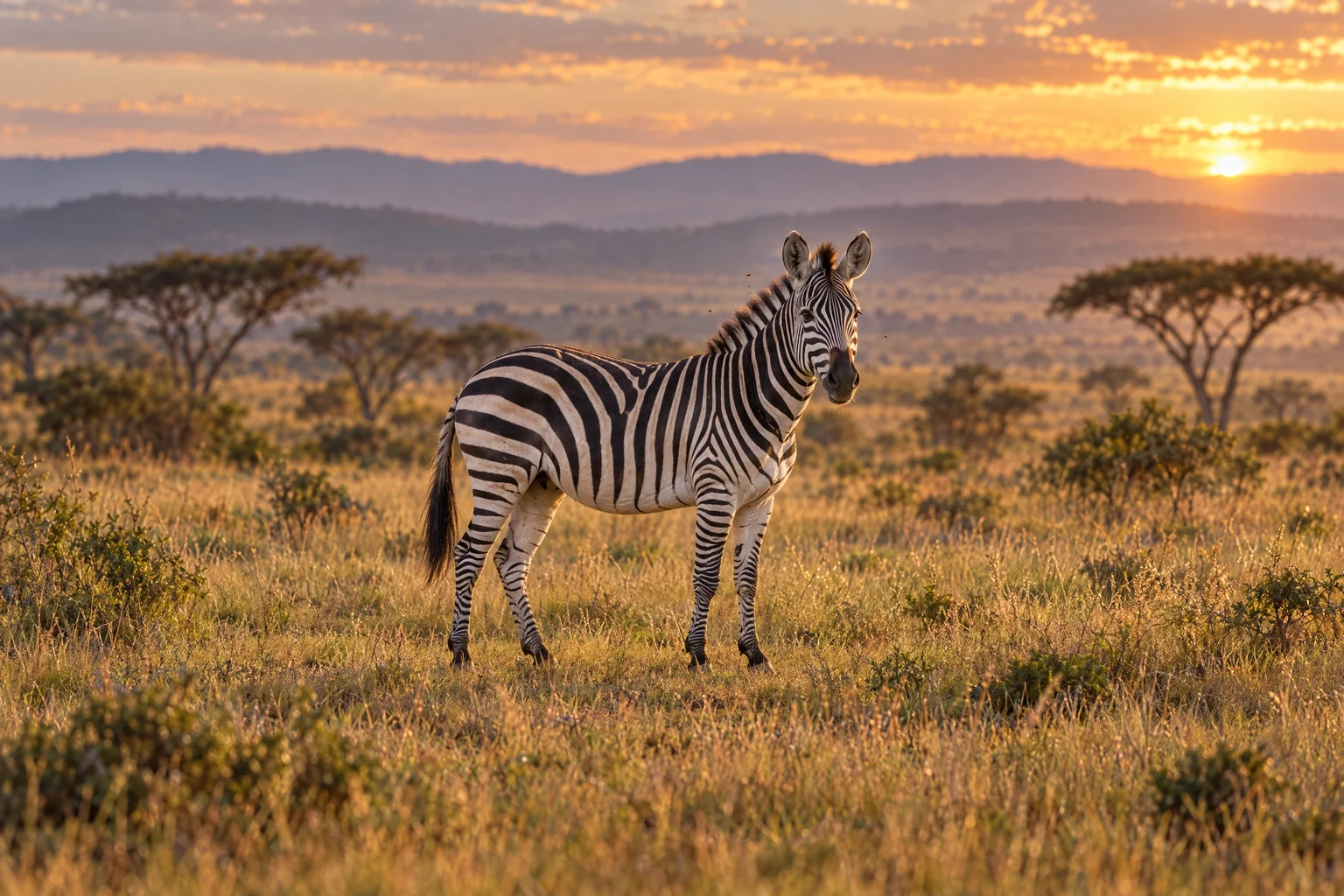
Zebra stripes are usually explained as camouflage, but a 2014 global study found almost no link between stripes and predators — while stripes matched the map of biting flies almost perfectly. The best-supported idea today: stripes keep flies from landing.
Answer
A hundred-year-old argument
Zebra stripes are one of the easiest patterns in nature to recognise. But ask a biologist what they are for, and you get a surprise: people have argued about it for over a hundred years, and at least five answers have been suggested — camouflage, confusing predators, a warning signal, helping zebras recognise each other, and keeping cool.
The popular answer does not hold up
"Stripes are camouflage" is the oldest idea. But zebras live out in the open. They are noisy, they run fast, and they stay in groups. When a lion comes, they do not hide. That is not how a camouflaged animal behaves. In 1987, scientists compared zebra stripes with the patterns of grass and trees. They did not match.
What does match: a map of flies
In 2014, biologist Tim Caro's team did something clever. They collected information about how thick and how close together zebra stripes are all over Africa, and compared it with three other things: how many predators live there, how many blood-sucking flies live there, and how hot it is. The result was a surprise. Stripes had almost nothing to do with predators — but they lined up almost perfectly with horse flies and tsetse flies. Those flies drink blood and spread diseases that can kill horses and zebras, such as African horse sickness. So "keeping flies away" is now the idea with the strongest evidence. The experiments are simple and clear. Back in 1930, someone noticed that flies prefer landing on plain, solid-coloured surfaces. In 2019, Caro's team put zebra-print coats on ordinary horses: the stripes did not chase flies away from far off, but they stopped the flies from landing. And in 2020, a Japanese team painted black cows with zebra stripes, and the cows got bitten far less.
Try this at home
Get two pieces of white paper the same size. Colour one completely black with a marker. On the other, draw black and white stripes, each about 1 cm wide. Put them side by side outside or on a windowsill, put one small drop of honey on each, wait half an hour, and count how many little flies land on each one. The trick: both papers must sit in the same place at the same time, with only one thing different — stripes or no stripes. Scientists call that "controlling your variables".
Still a mystery
Nobody is sure why stripes stop flies from landing. One idea: black stripes get hot and white stripes stay cool, and the tiny temperature differences confuse the heat signals horse flies use to find blood vessels. Another, simpler idea: the stripes are too thin and too high-contrast, so a fly's compound eyes cannot find a steady place to land. The best part of this story? The least romantic answer is the one with the hardest evidence.
Michael's Thought
I always thought zebra stripes were for hiding from lions. Turns out they are mostly for keeping flies off. A lion can only catch one zebra, but a fly can make the whole herd sick.
Sources
Related WHYS
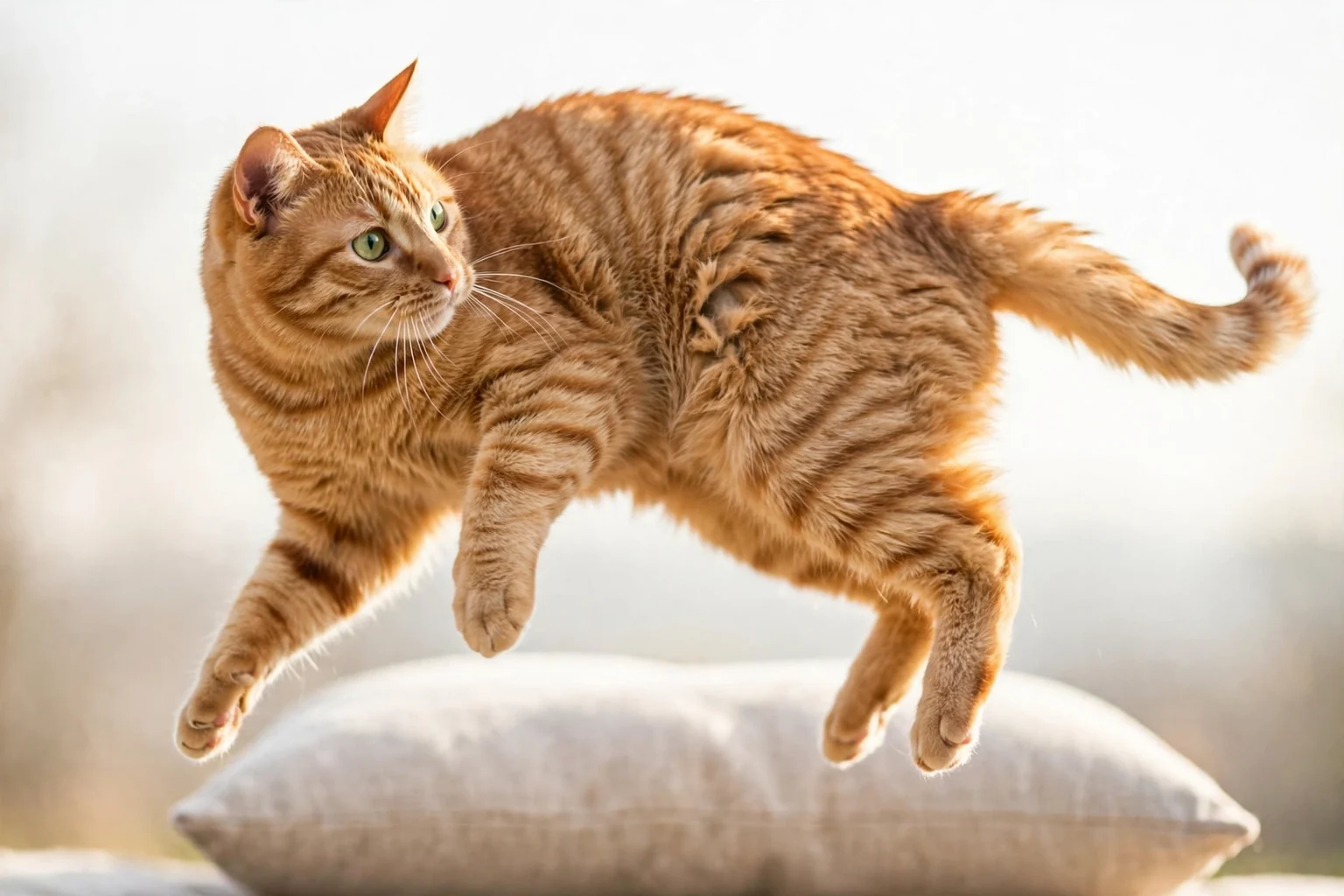
Why do cats almost always land on their feet?
Cats flip in mid-air not because they have nine lives, but by splitting one turn into two: 90° with the front half, 10° the other way with the back. And the idea that higher floors are safer is a statistical trap.

Why do dogs have wet noses?
That slimy layer is not a health sign — it is a sticky net that traps smell molecules. A 2020 study even found a dog's cool nose can sense weak heat from 1.5 metres away.
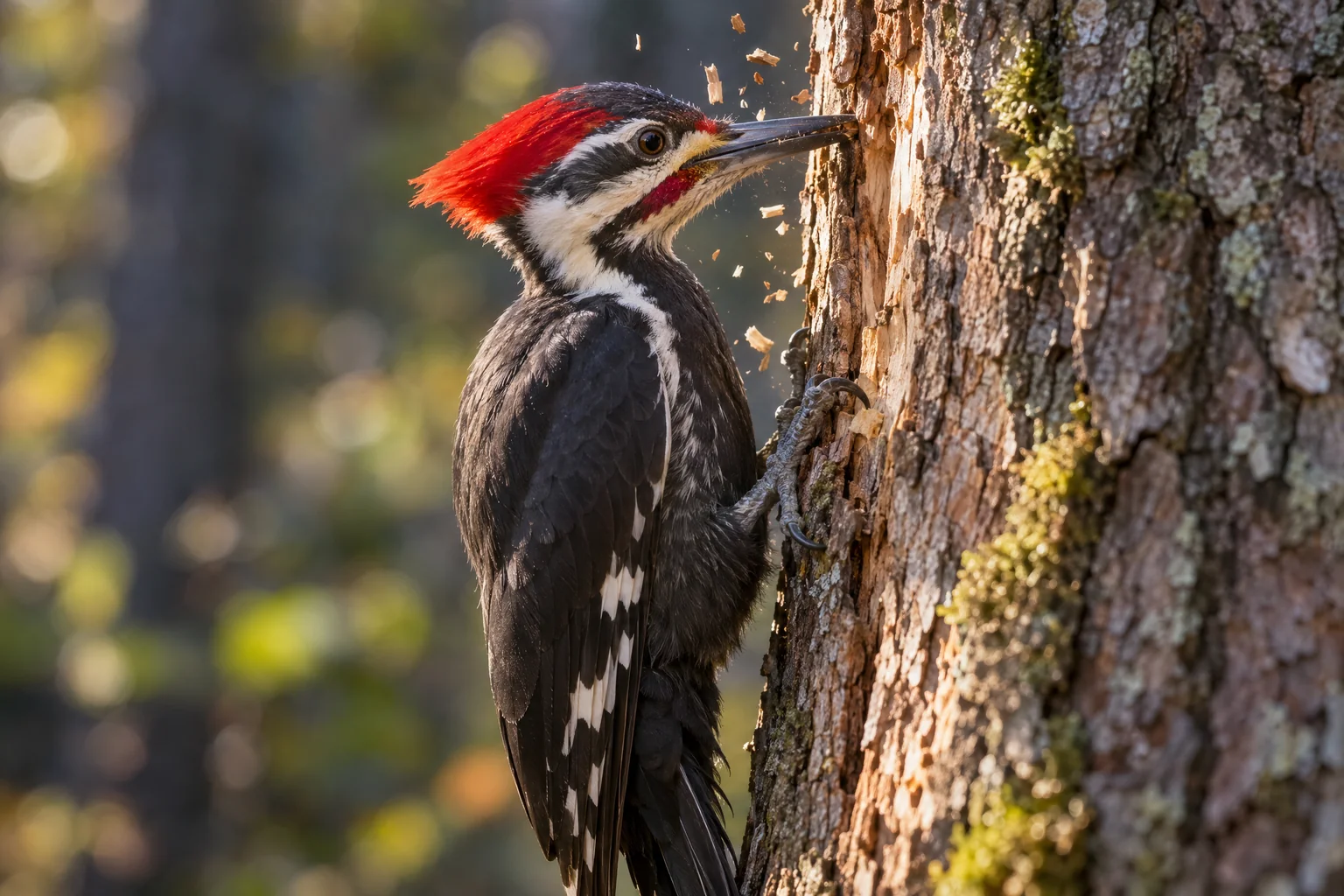
Why don't woodpeckers get brain damage from pecking?
A woodpecker hammers a tree 15 to 20 times a second, thousands of times a day, and each hit slows its head down by about 1000 g. Textbooks said its skull is a shock absorber. A 2022 study found the opposite: it survives by being stiff, not soft.