2 min
Why do dogs have wet noses?
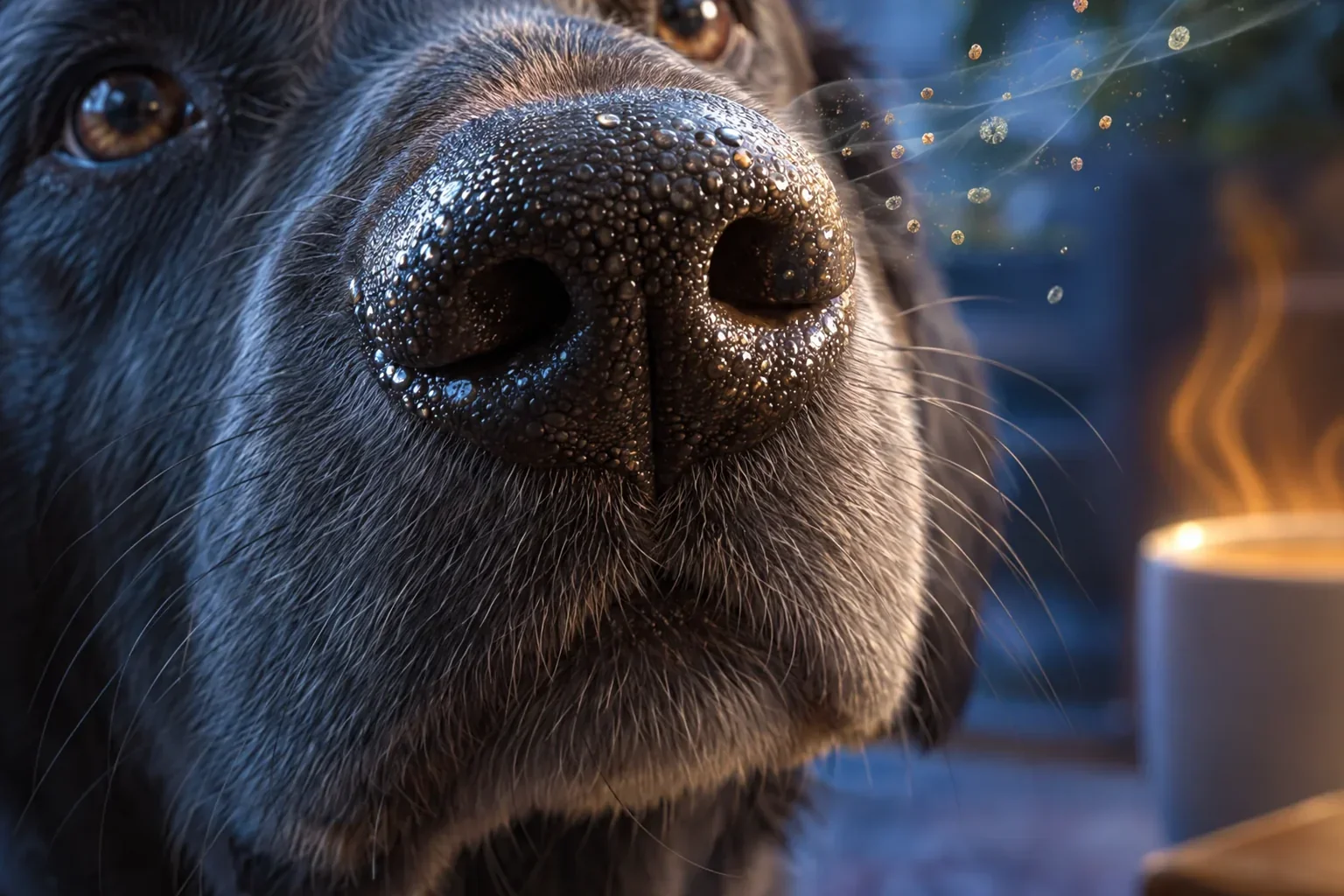
That slimy layer is not a health sign — it is a sticky net that traps smell molecules. A 2020 study even found a dog's cool nose can sense weak heat from 1.5 metres away.
Answer
Have you ever felt a dog press a cold, wet nose against your hand? That little damp spot is not a sign that the dog is healthy. It is the outside of a very clever machine.
The tip of a dog's nose is called the rhinarium. It is a patch of skin with no fur on it. It stays wet in three ways: tiny glands under the skin make a thin layer of slime, tears drain down a tube from the eyes, and the dog keeps licking it.
Job one: catching smells. Smell molecules float in the air. If they bump into dry skin, most of them bounce away. But if they land on a film of water, they dissolve and stick. When the dog sniffs, those trapped molecules are carried deep into the nose, where the smelling cells live. A dry nose means a blurry world.
Job two was discovered in 2020. Scientists in Hungary and Sweden trained three dogs to choose which of two far-away objects was warm. The dogs could do it — they noticed a tiny bit of heat from about 1.5 metres away. Why? Because water evaporating makes the nose cooler than the air around it, and a cool nose feels heat better. Before this, only snakes and vampire bats were known to have this skill.
One more thing: a dry nose does not mean a sick dog, and a wet nose does not mean a healthy one. Dogs often wake up with a dry nose.
Try it yourself: sprinkle a few breadcrumbs on a table. Press them with a dry finger, then with a wet finger. The wet finger picks up more crumbs. That is exactly how a dog's nose grabs smells.
Michael's Thought
I always thought a wet nose meant my dog was healthy. Turns out it is just his antenna — he is not saying hello, he is reading the air.
Sources
Related WHYS
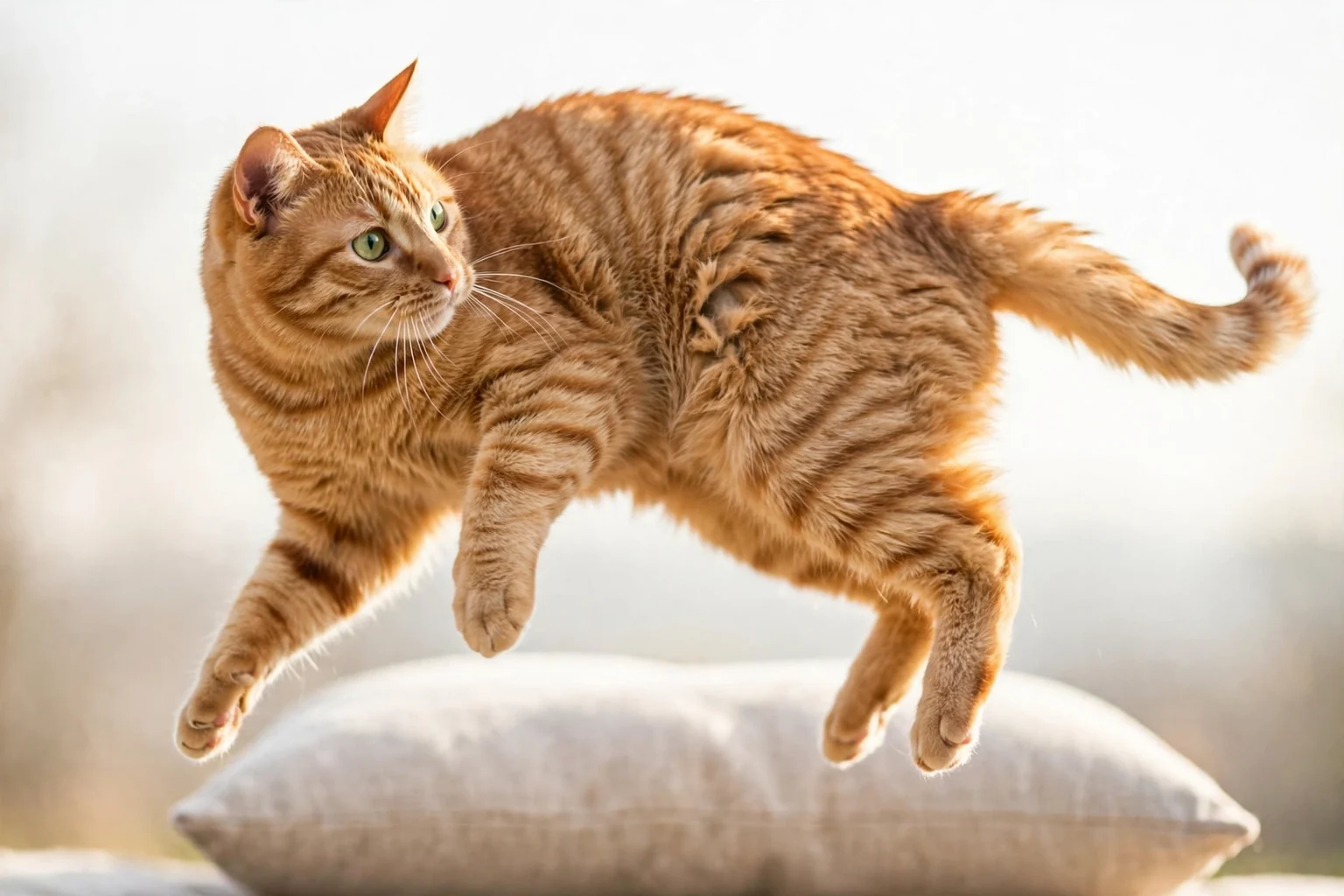
Why do cats almost always land on their feet?
Cats flip in mid-air not because they have nine lives, but by splitting one turn into two: 90° with the front half, 10° the other way with the back. And the idea that higher floors are safer is a statistical trap.
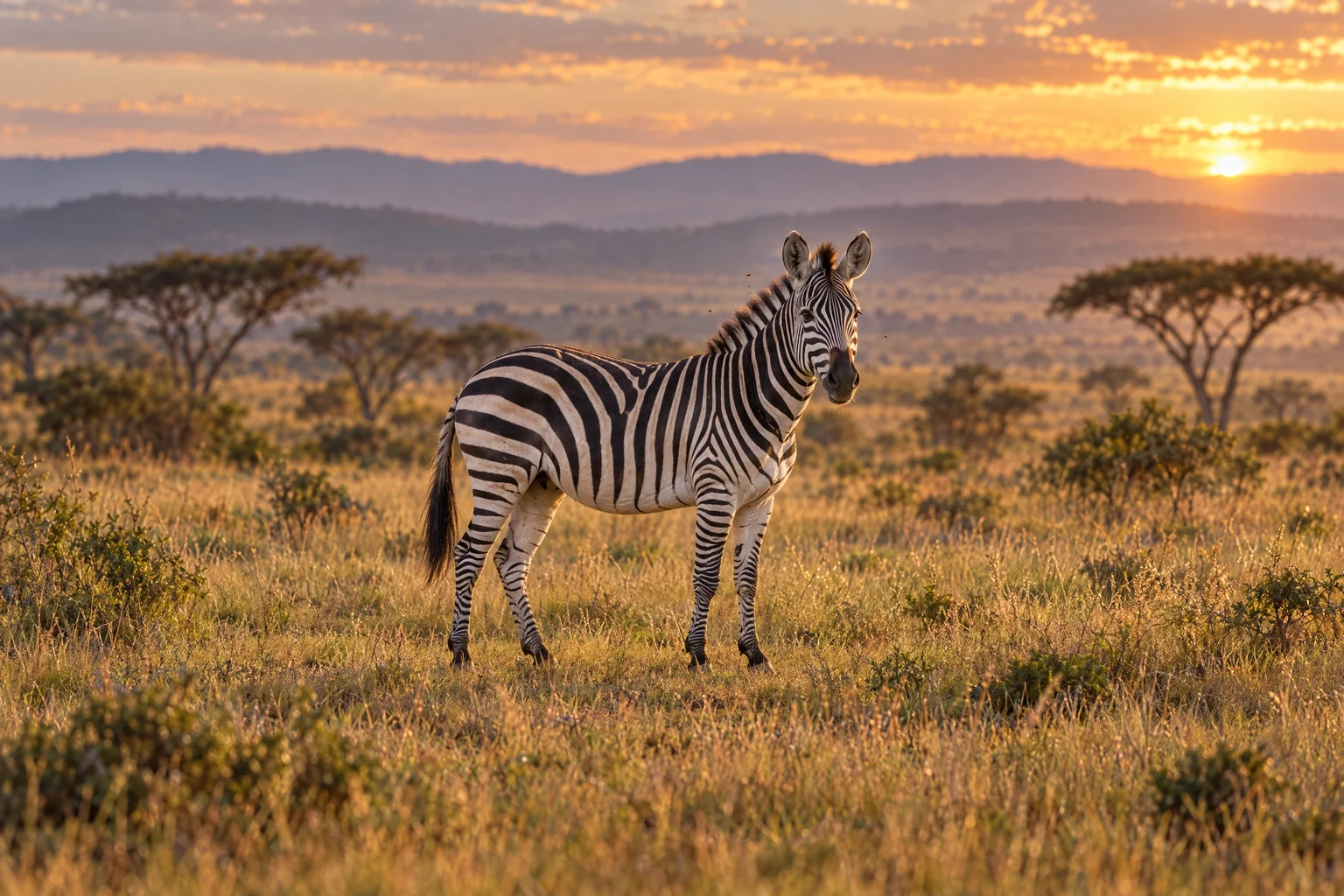
Why do zebras have stripes?
Zebra stripes are usually explained as camouflage, but a 2014 global study found almost no link between stripes and predators — while stripes matched the map of biting flies almost perfectly. The best-supported idea today: stripes keep flies from landing.
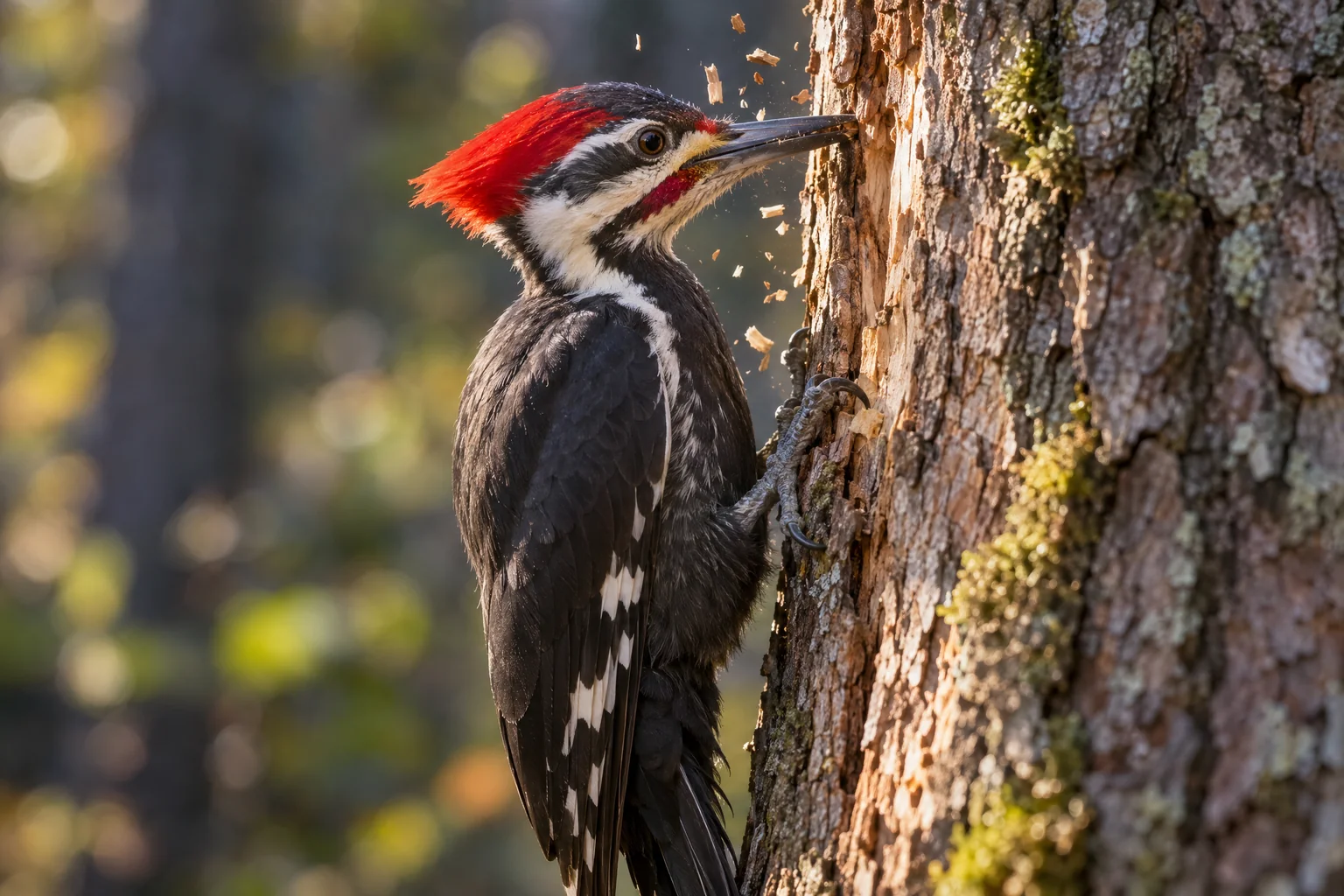
Why don't woodpeckers get brain damage from pecking?
A woodpecker hammers a tree 15 to 20 times a second, thousands of times a day, and each hit slows its head down by about 1000 g. Textbooks said its skull is a shock absorber. A 2022 study found the opposite: it survives by being stiff, not soft.