2 min
Do flamingos grow their own pink?
No. A flamingo hatches grey-white. Its pink is eaten, not grown — and how deep the colour goes tells you exactly how well it has been eating.
Answer
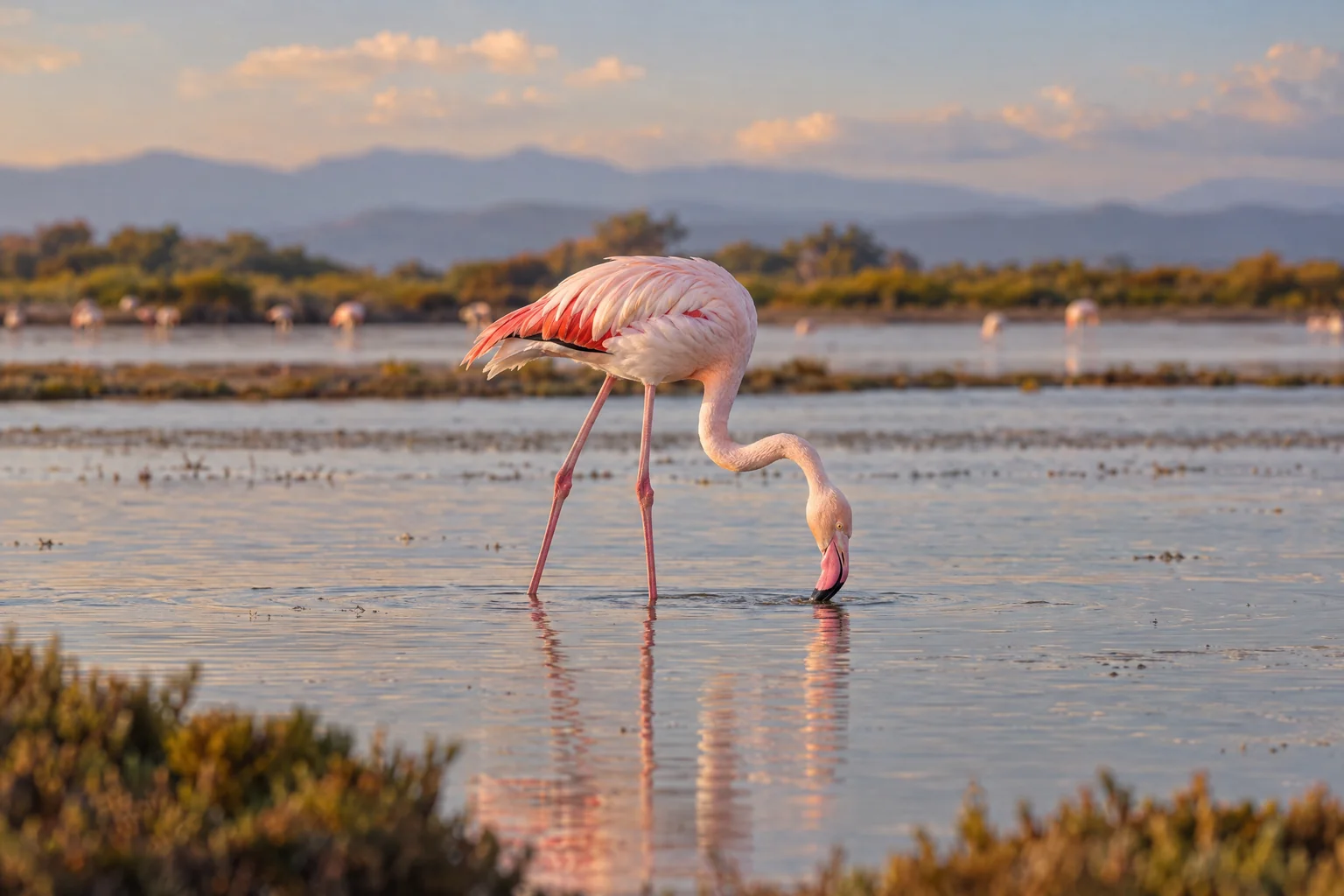
No. A flamingo hatches grey-white, and a pink flamingo has eaten its colour.
What it eats is hardcore: blue-green algae, diatoms and brine shrimp from salt lakes. These are rich in carotenoids, which are actually defensive toxins — most animals that eat too many of them get sick. Flamingos have enzymes in the liver that turn the toxin into a resource. They convert beta-carotene into astaxanthin and canthaxanthin, send those through the bloodstream into feathers that are still growing, and deposit the pigment inside the keratin. The same pigment stains their skin, their fat, and even the yolk of their eggs.
So the depth of the colour is a direct report on the diet. The better a flamingo eats, the redder it gets. Flamingos in captivity, or going without food, fade towards white. Old feathers also bleach in the sun and wear thin, so only the feathers grown after a moult are freshly painted. Before moulting, flamingos even top up the colour using oil from a gland near the tail.
The most moving part: parent flamingos feed their chicks a kind of "crop milk" that is rich in carotenoids, and the cost is that the parents fade. So the whitest flamingos in breeding season are usually not ill at all. They have just given all their colour to their children.
In one line: a flamingo's pink is a restaurant bill. Its colour is a record of what it has been eating.
Michael's Thought
A pink flamingo is pink because of what it ate. And the whitest one might have just given all its colour to its chick. I will remember that.
Sources
Related WHYS
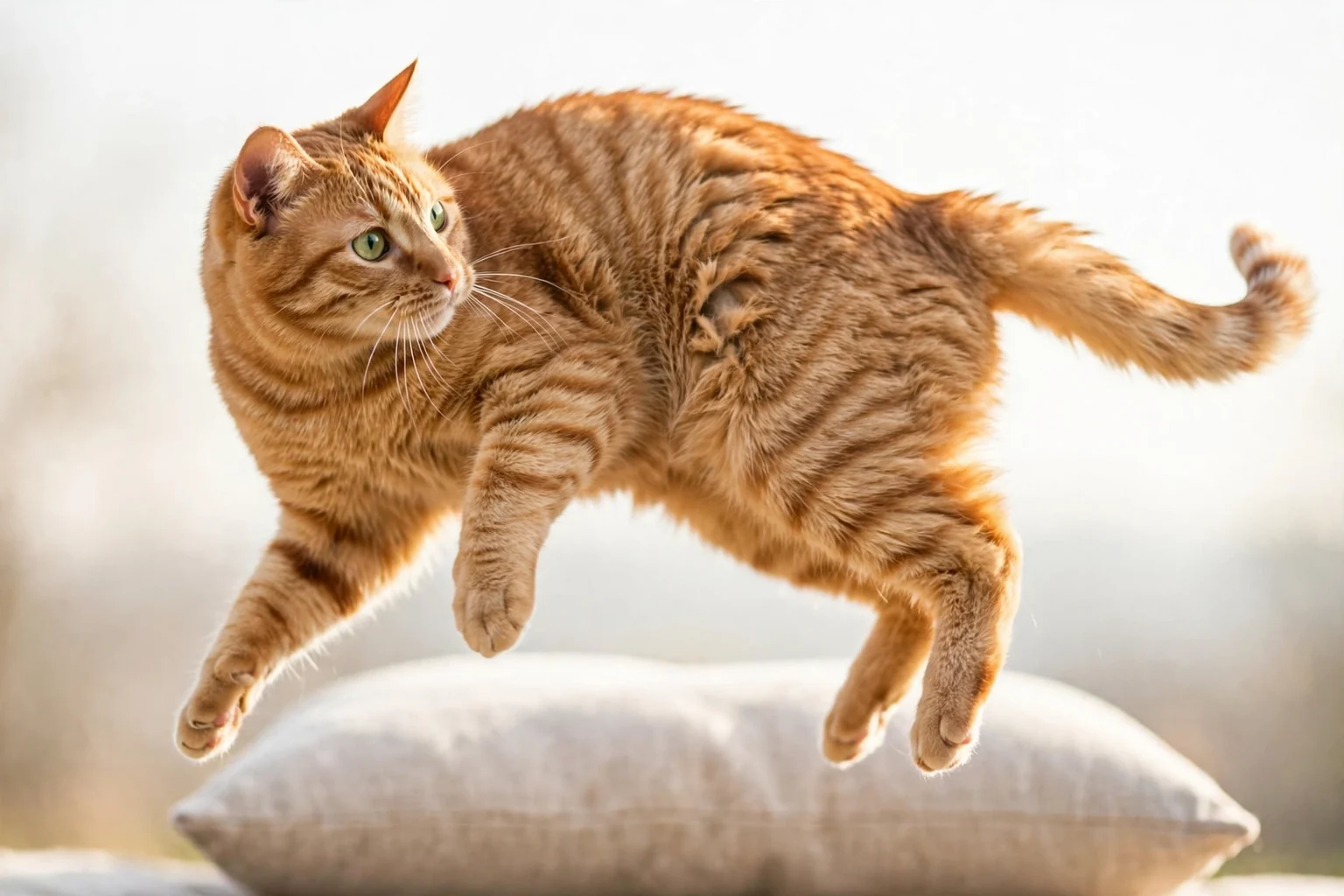
Why do cats almost always land on their feet?
Cats flip in mid-air not because they have nine lives, but by splitting one turn into two: 90° with the front half, 10° the other way with the back. And the idea that higher floors are safer is a statistical trap.
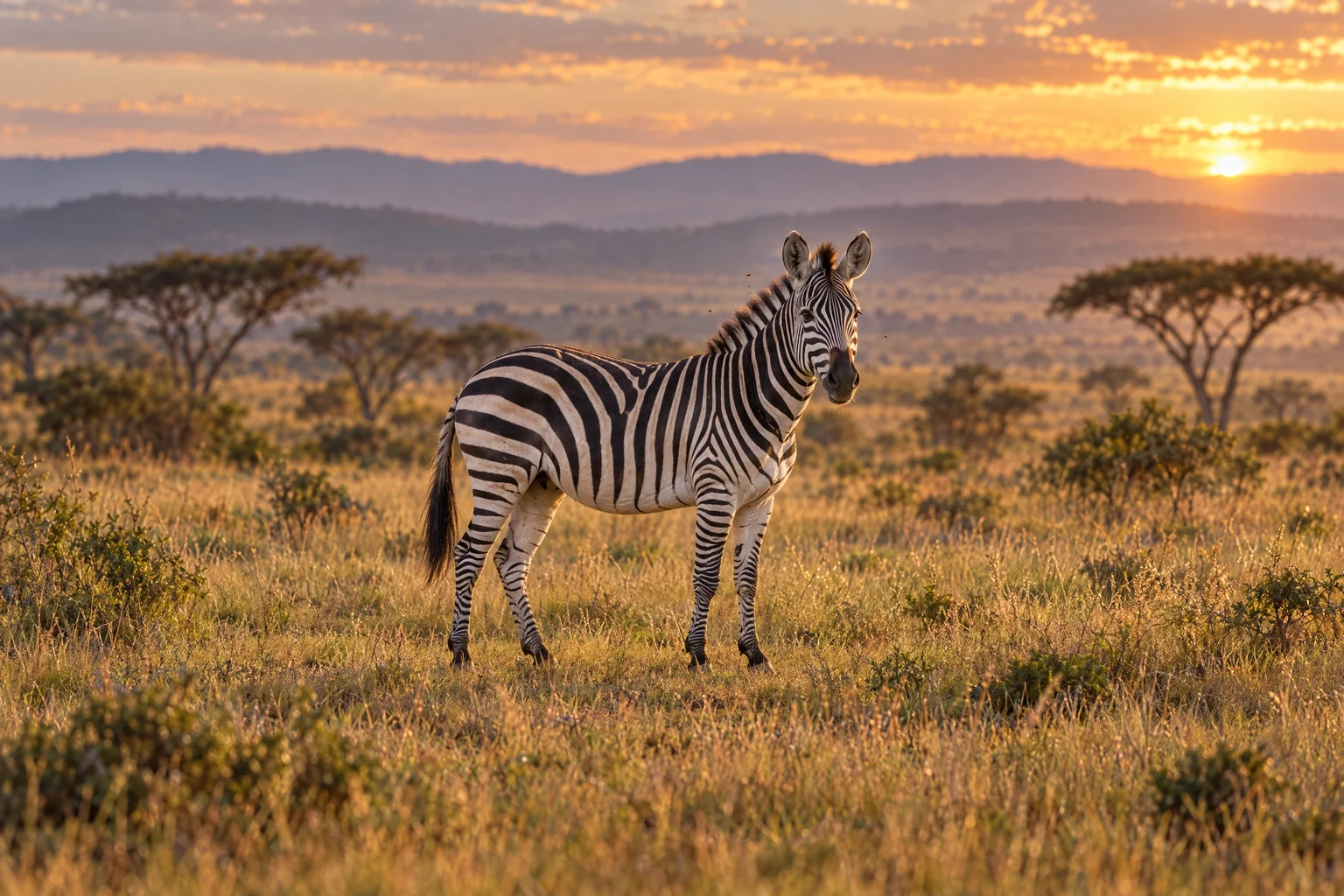
Why do zebras have stripes?
Zebra stripes are usually explained as camouflage, but a 2014 global study found almost no link between stripes and predators — while stripes matched the map of biting flies almost perfectly. The best-supported idea today: stripes keep flies from landing.

Why do dogs have wet noses?
That slimy layer is not a health sign — it is a sticky net that traps smell molecules. A 2020 study even found a dog's cool nose can sense weak heat from 1.5 metres away.