1 min
Where did the word "OK" actually come from?
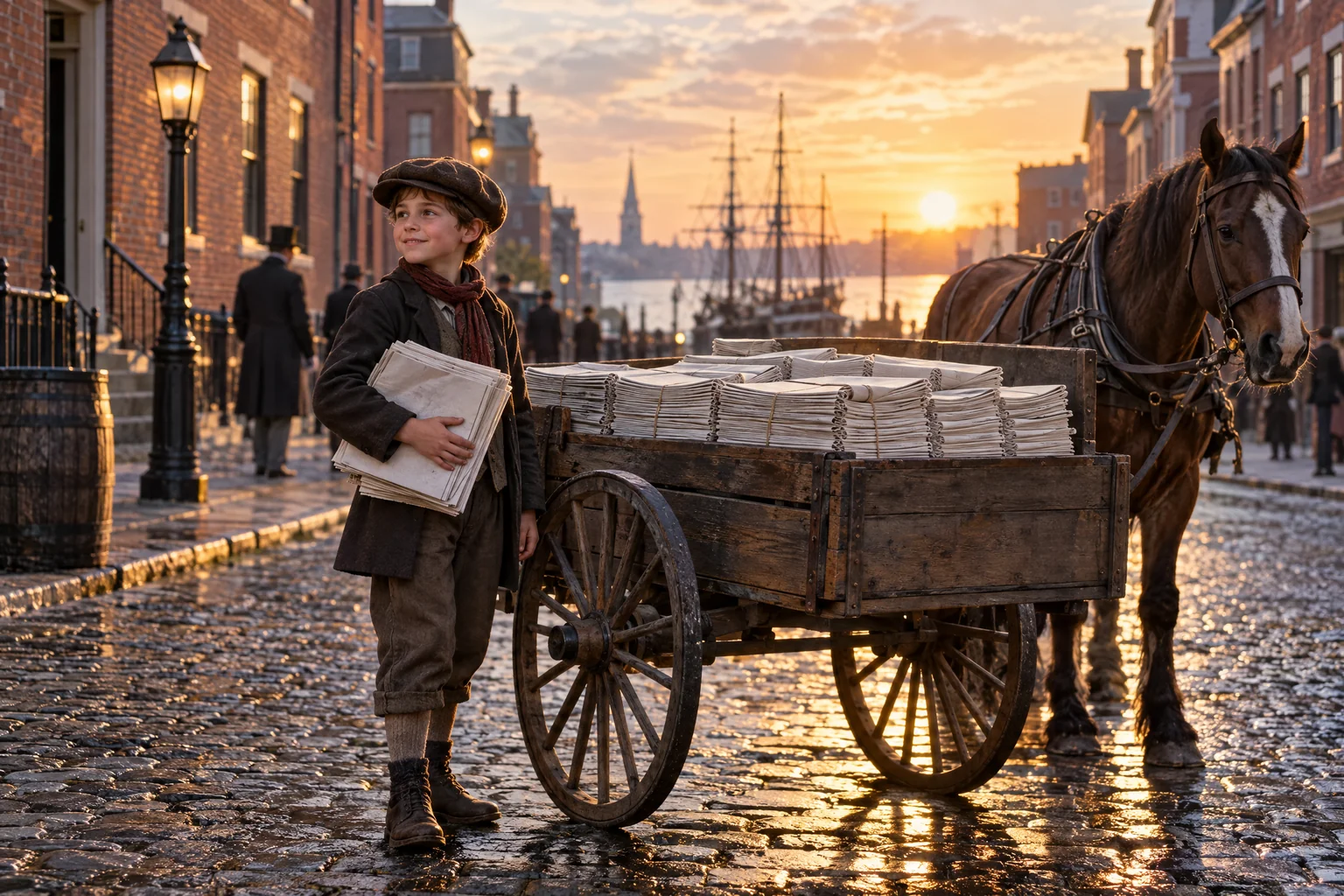
"OK" probably began as a deliberate spelling joke. In 1839, Boston newspaper editors misspelled "all correct" as "oll korrect" and shortened it to O.K. — purely for fun.
Answer
The answer is a bit ridiculous: "OK" most likely began as a spelling mistake used as a joke.
In 1839, newspaper editors in Boston had a fashion for abbreviations — deliberately misspelled ones, used as running gags. "All correct" was misspelled on purpose as "oll korrect", then shortened to O.K. On 23 March 1839, the Boston Morning Post printed it. It was nothing more than a word game.
What turned O.K. into a national word was the 1840 American election. The candidate Martin Van Buren had the nickname "Old Kinderhook", after the town where he was born, and his supporters formed the O.K. Club to campaign for him. "OK" went up on walls all over the country and became a hit almost overnight.
The story that it stands for "0 killed" — no casualties — was attached much later. Language historians generally treat that as a story invented afterwards, not the real origin.
In one line: the most widely understood word humans have ever made began as a typo someone thought was funny.
A stranger fact: because OK is only two letters and is hard to misread, it became the standard word for "received and understood" in the telegraph era of the 19th century. That is a big part of how it travelled the world.
Michael's Thought
The most understood word on Earth started as a typo. It makes me think a joke can travel further than something serious.
Sources
Related WHYS
Why is a wedding ring worn on the ring finger? — And why the 'vein of love' is not real
People say the wedding ring goes on the left ring finger because a vein runs from it straight to the heart. That vein does not exist. The rule was actually written down in the English Book of Common Prayer in 1662.

Why do we put candles on a birthday cake and blow them out?
The popular story about ancient Greek cakes for the moon goddess doesn't hold up. The version we can actually trace starts with 18th-century German birthday parties — and blowing out the candles, a 2017 study found, adds about 14 times more bacteria to the cake.

Why do we clink glasses when we toast?
Clinking glasses probably has nothing to do with poison — there is no real evidence for that story. It looks like a secular leftover of ancient offerings, and the word "toast" first meant spiced bread in wine, then the person honoured by the drink.